
Hydropower is one of the most reliable and widely used sources of renewable energy in the world. It uses the natural flow of water to generate electricity, making it both sustainable and efficient for long-term energy production.
In today’s energy landscape, hydropower plays a critical role in supporting stable power grids and reducing dependence on fossil fuels.
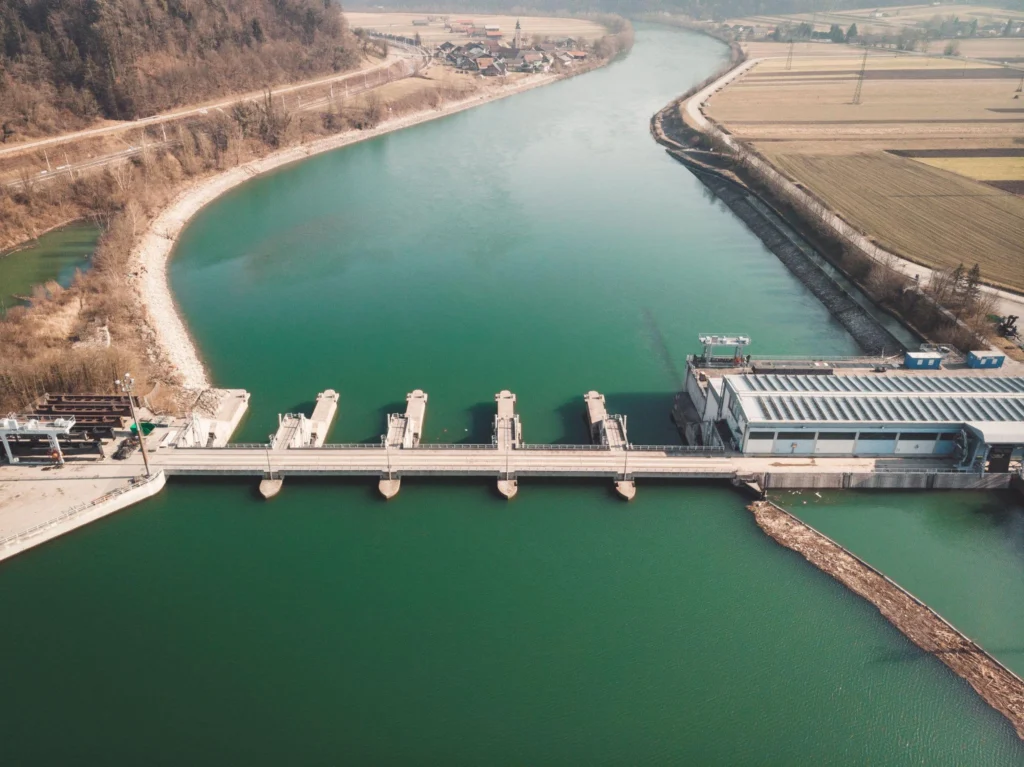
How Hydropower Works
Hydropower systems generate electricity by converting the energy of flowing or falling water into mechanical energy, which is then transformed into electrical energy.
The process typically involves:
- Water stored in a dam or flowing through a river
- Controlled release of water through turbines
- Turbines spinning to generate mechanical energy
- Generators converting this energy into electricity
This system allows continuous and controlled energy production, especially in large-scale infrastructure projects.
Key Components of a Hydropower Plant
A typical hydropower plant includes several critical components:
1. Dam
The dam stores water and creates the necessary pressure to drive turbines.
2. Turbines
Water flow spins the turbines, converting kinetic energy into mechanical energy.
3. Generator
The generator transforms mechanical energy into electrical power.
4. Control Systems
Modern systems monitor and regulate energy production for efficiency and safety.
Types of Hydropower Systems
There are several types of hydropower systems used depending on project requirements:
- Run-of-river systems – Use natural water flow with minimal storage
- Reservoir systems – Store water for controlled energy production
- Pumped storage systems – Store energy by moving water between reservoirs
Each system is designed based on geographic, environmental, and energy demands.
Benefits of Hydropower
Hydropower offers several advantages for both governments and businesses:
- Reliable and consistent energy production
- Low operational costs after installation
- Renewable and environmentally friendly
- Supports large-scale infrastructure projects
- Helps stabilize national energy grids
Hydropower in Modern Infrastructure
Hydropower remains a key component in modern energy infrastructure, especially in regions investing in renewable energy solutions.
It is often integrated with other systems such as:
- Solar energy
- Energy transmission networks
- Smart grid technologies
This makes hydropower a cornerstone of future energy systems.
Why Choose Professional Hydropower Solutions
Developing a hydropower project requires technical expertise, precision, and reliable equipment.
At 2BB Construction & Co, we provide:
- Electro-mechanical system installation
- Infrastructure development
- Engineering support for energy projects
- Reliable and scalable solutions
Conclusion
Hydropower continues to be one of the most efficient and sustainable energy solutions available today. Its ability to deliver stable energy output makes it essential for both large-scale infrastructure and long-term energy strategies.
As the demand for renewable energy grows, hydropower will remain a vital part of global energy development.
Need Support for Your Project?
If you are planning an energy or infrastructure project, our team is ready to help.