
An electrical substation is a critical part of the power system that helps transfer and distribute electricity from generation sources to consumers. It plays a key role in ensuring efficient, safe, and reliable energy distribution across cities, industries, and infrastructure projects.
Without substations, electricity generated from power plants cannot be effectively delivered to homes and businesses.
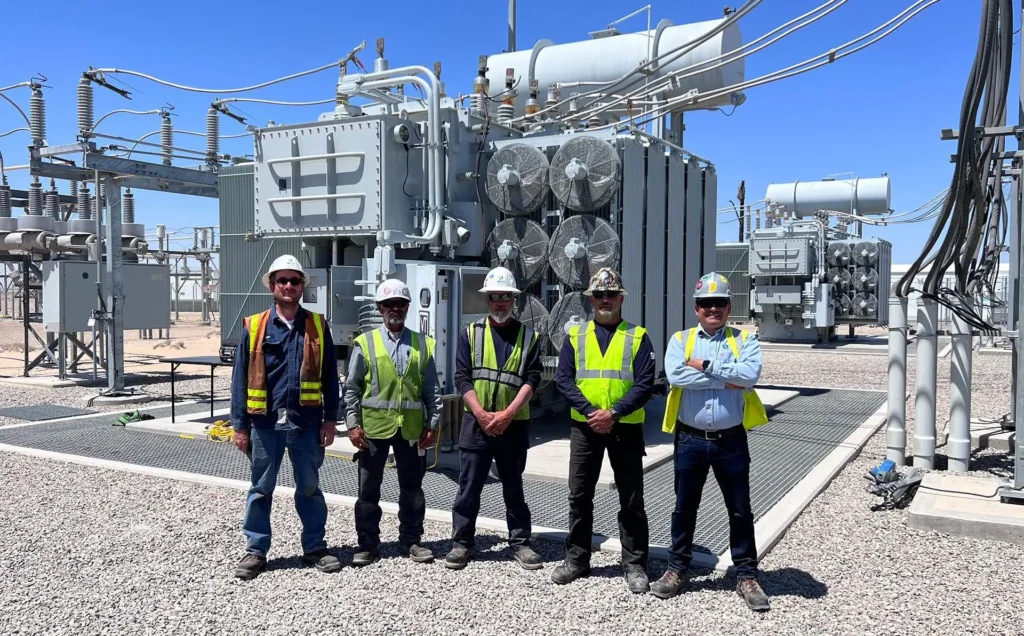
What Does an Electrical Substation Do?
Electrical substations are designed to transform voltage levels and control the flow of electricity within the grid.
Their main functions include:
- Increasing or decreasing voltage levels
- Distributing power to different locations
- Protecting electrical systems from faults
- Monitoring and controlling power flow
They act as control hubs within the energy transmission and distribution network.
Key Components of a Substation
A modern electrical substation consists of several important components:
1. Transformers
Transformers adjust voltage levels for efficient transmission and safe distribution.
2. Switchgear
Switchgear protects the system by disconnecting faulty sections.
3. Circuit Breakers
These automatically interrupt electrical flow during faults or overloads.
4. Control Systems
Advanced monitoring systems ensure reliability and performance.
Types of Electrical Substations
Different types of substations are used depending on their role in the power system:
- Step-up substations – Increase voltage for transmission
- Step-down substations – Reduce voltage for distribution
- Distribution substations – Deliver electricity to end users
- Industrial substations – Designed for factories and large facilities
Importance of Substations in Infrastructure
Substations are essential for:
- Power plants (hydropower, solar, thermal)
- Industrial facilities
- Urban energy distribution networks
- National grid systems
They ensure that electricity is delivered efficiently and safely across large distances.
Modern Substation Technology
Today’s substations use advanced technologies such as:
- Automation systems
- Remote monitoring
- Smart grid integration
- Digital control systems
These innovations improve efficiency, reduce downtime, and enhance system reliability.
Why Professional Substation Installation Matters
Installing and maintaining substations requires specialized expertise and precision.
At 2BB Construction & Co, we provide:
- Electrical substation installation
- Equipment supply and integration
- System design and engineering support
- Reliable infrastructure solutions
Conclusion
Electrical substations are a vital component of modern energy systems. They ensure the safe and efficient transmission and distribution of electricity across all sectors.
As energy demand continues to grow, substations will remain essential for supporting reliable and scalable infrastructure.
Need Support for Your Project?
Looking for professional electrical infrastructure solutions?