
Energy transmission systems are essential for delivering electricity from power plants to cities, industries, and infrastructure networks. These systems enable efficient long-distance transport of electricity, ensuring reliable power supply across regions.
Without transmission systems, energy generated from sources such as hydropower or solar plants could not reach end users.
What is Energy Transmission?
Energy transmission refers to the process of transporting electricity over long distances using high-voltage power lines.
Electricity is generated at power plants and then transmitted through a network of lines and substations before reaching consumers.
How Energy Transmission Works
The process involves several key steps:
- Electricity is generated at power plants
- Voltage is increased using step-up transformers
- High-voltage transmission lines carry electricity over long distances
- Substations reduce voltage levels
- Electricity is distributed to homes and businesses
High voltage is used to reduce energy loss during transmission.
Key Components of Transmission Systems
1. Transmission Lines
These carry electricity across long distances using high-voltage cables.
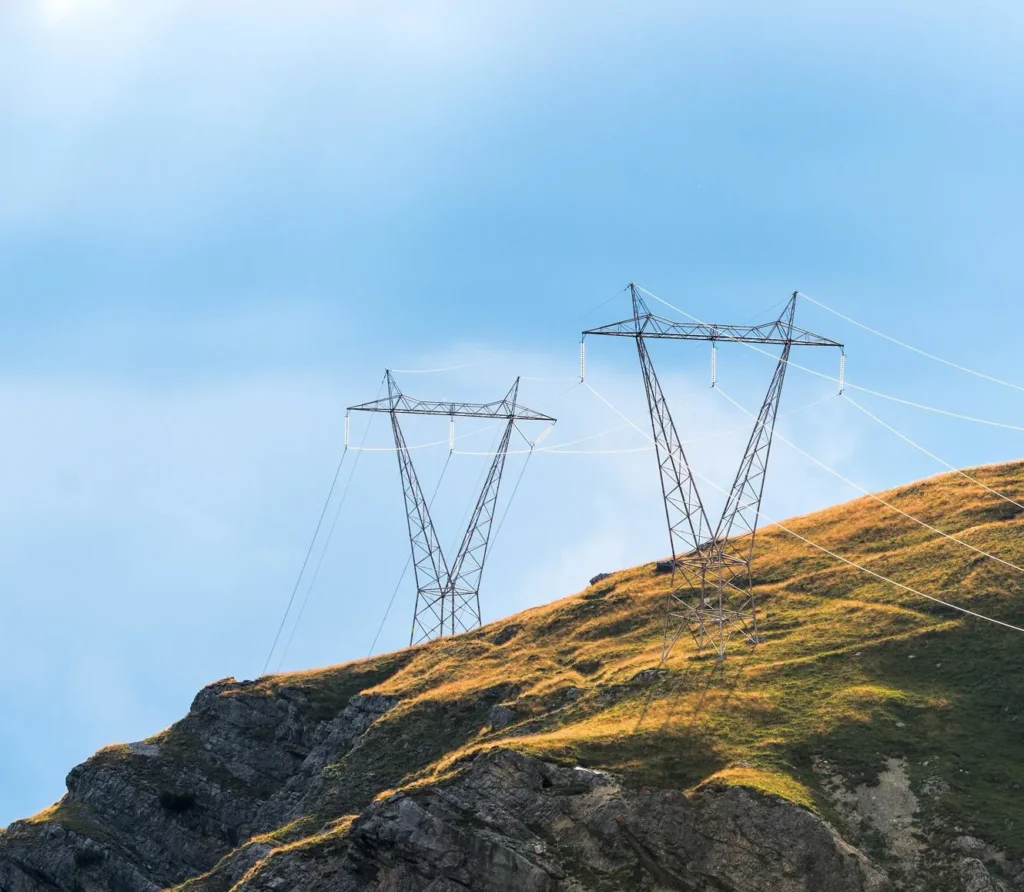
2. Transmission Towers
Support structures that hold power lines safely above ground.
3. Substations
Convert voltage levels and control energy flow.
4. Transformers
Adjust voltage levels for efficient transmission and distribution.
Types of Energy Transmission
- Overhead transmission – Most common and cost-effective
- Underground transmission – Used in urban areas
- High-voltage AC (HVAC) – Standard transmission method
- High-voltage DC (HVDC) – Used for very long distances
Importance of Energy Transmission Infrastructure
Energy transmission systems are critical for:
- Connecting power plants to cities
- Supporting industrial operations
- Ensuring energy reliability
- Enabling renewable energy integration
They form the backbone of modern energy infrastructure.
Modern Innovations in Transmission Systems
Today’s systems include:
- Smart grid technologies
- Real-time monitoring systems
- Advanced control and automation
- Integration with renewable energy sources
These technologies improve efficiency and reduce energy losses.
Why Professional Installation Matters
Building transmission infrastructure requires expertise, precision, and compliance with safety standards.
At 2BB Construction & Co, we provide:
- Energy transmission infrastructure solutions
- Electrical system installation
- Engineering and project support
- Reliable and scalable systems
Conclusion
Energy transmission systems play a vital role in powering modern society. They ensure that electricity is delivered efficiently, safely, and reliably across long distances.
As energy demand increases, advanced transmission infrastructure will be essential for sustainable development.
Start Your Project
Planning an energy infrastructure project?